
Quem responde quando um agente de IA toma a decisão errada?
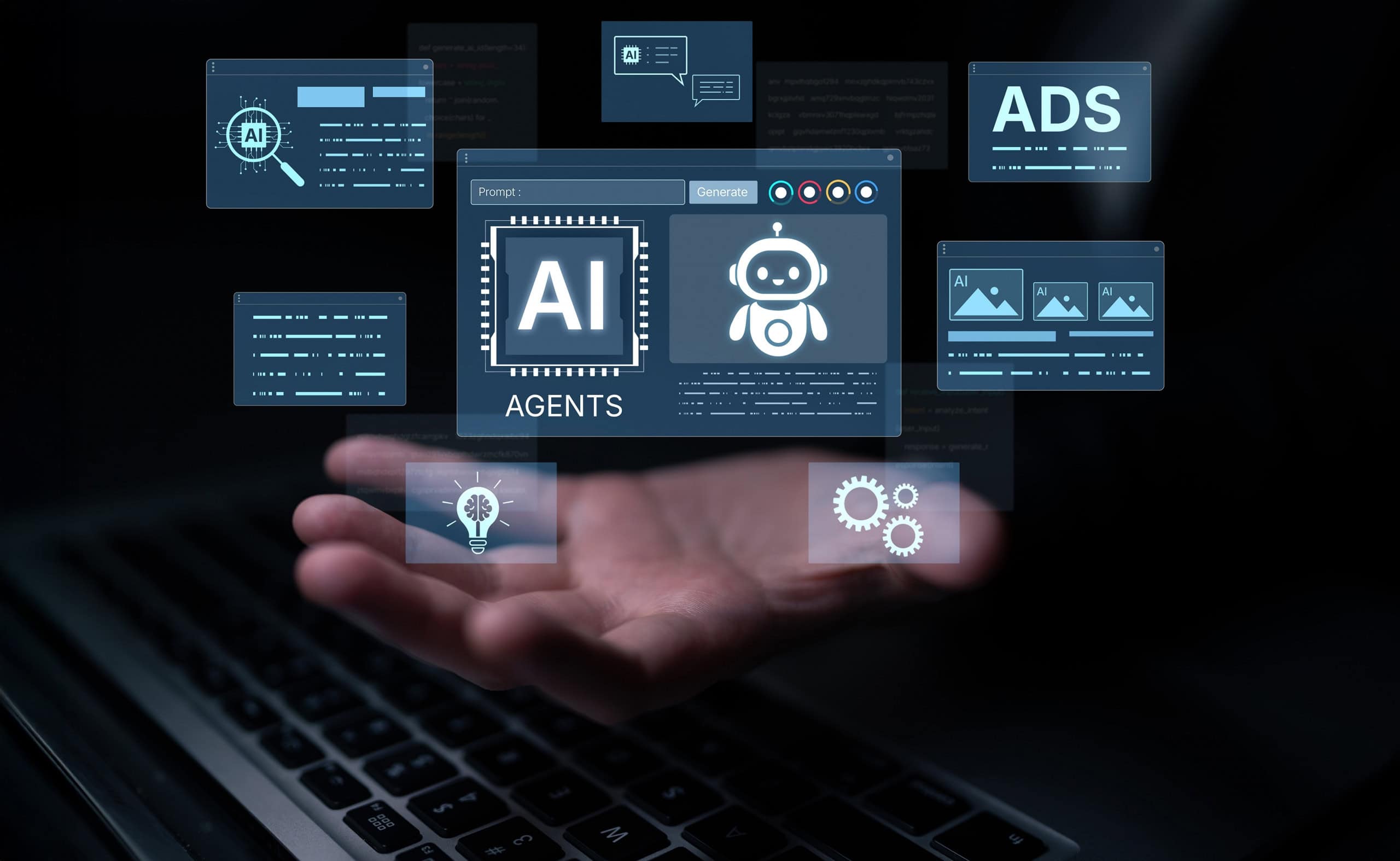
Durante anos, discutimos como gestores deveriam liderar pessoas. Agora surge uma competência completamente nova: liderar sistemas autônomos O post Quem responde quando um agente de IA toma a decisão errada? apareceu primeiro em Olhar Digital.
Durante anos, discutimos como gestores deveriam liderar pessoas. Agora surge uma competência completamente nova: liderar sistemas autônomos O post Quem responde quando um agente de IA toma a decisão errada? apareceu primeiro em Olhar Digital.
Em contexto
- Tema: Inteligencia Artificial — IA aplicada al negocio: casos, límites, costos y gobierno.
- Fonte: Olhar Digital
- Publicado: 17/10/2026
Continuar lendo na fonte original →
Trecho publicado automaticamente pelo radar do site. O texto completo pertence ao veículo e está vinculado acima.
Why it matters
Every week there is an announcement that promises to change everything, and every week most organisations are still fighting the same battle: messy data, processes nobody documented, and expectations running faster than capability. This story reads better with that in the background.
I always separate two things that get mixed up: the demo and the operation. A demo needs to work once with someone watching. An operation needs to work a thousand times with nobody watching, with odd cases, dirty data, at two in the morning. The gap between the two is where the budget goes.
What usually goes wrong
What I see fail most is the expectation. Somebody saw a flawless demo and asked for the same thing in their area within a month, without considering the demo ran on clean data prepared for the occasion. When the real pilot shows uneven results, the unfair conclusion is that the technology does not work.
What to watch
- Whether the organisation can change provider without rebuilding everything, which is the proof it did not get locked in.
- Which concrete process is touched and how it is measured before and after; with no baseline there is no result, only opinion.
- Who reviews the model outputs and how often — the point at which AI becomes auditable.
How I read this entry
My practical advice is to fix on day one what happens when the model is wrong: who reviews, how often, and at what point it gets switched off. It sounds defensive, but it is exactly what lets you be aggressive later, because the risk stopped being an unknown.
The original story is published in another language; the excerpt is quoted as the publisher delivers it and the commentary is written in English.
Comments
No comments yet. Yours can be the first.
Living through this in your own team?
Open the chat and tell me how you're handling it. I'm interested in comparing notes.