
Lei Seca mais dura: projeto quer tornar bafômetro obrigatório em acidentes
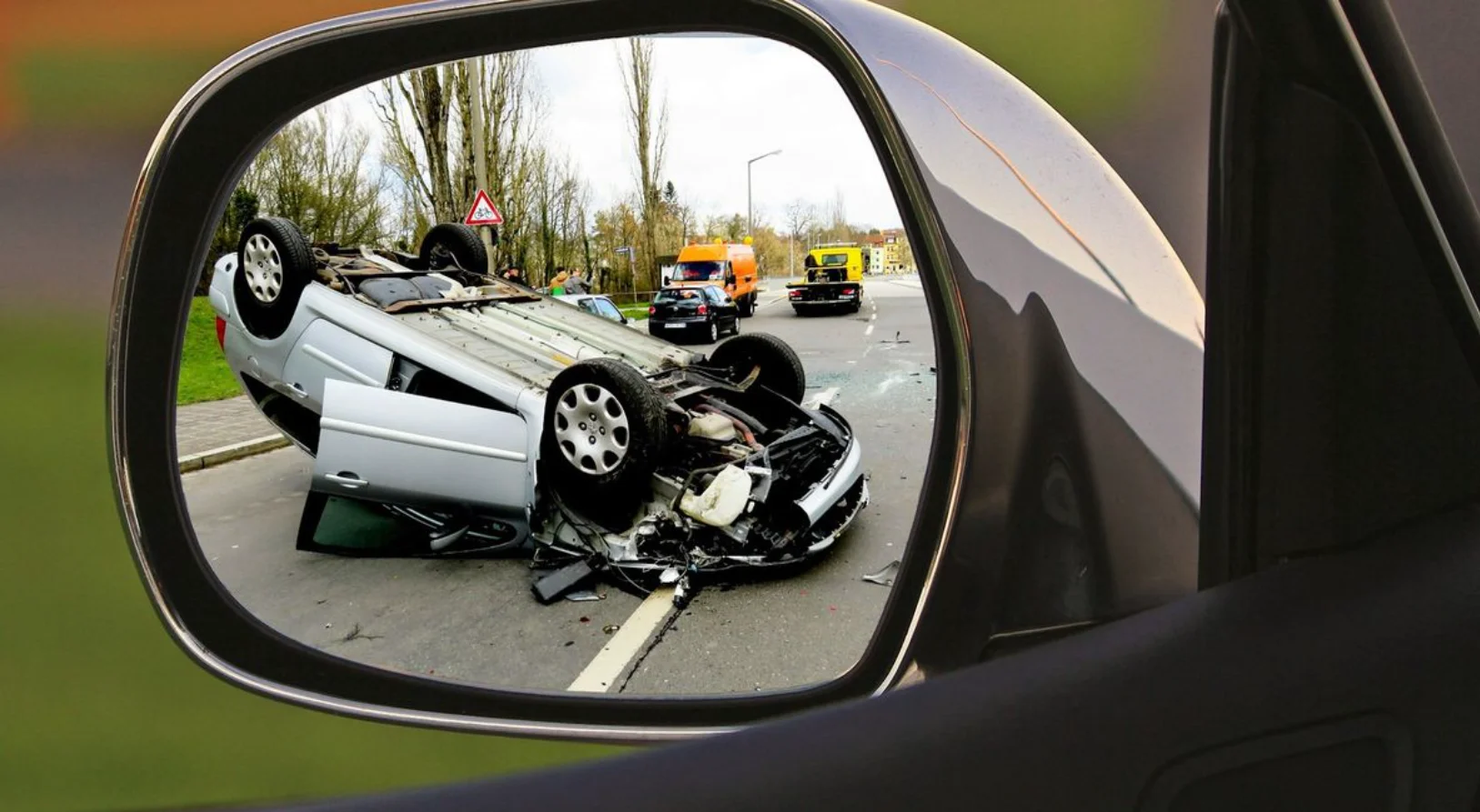
O Senado Federal analisa o Projeto de Lei 1.229/2024, que estabelece a obrigatoriedade de testes de álcool e exames toxicológicos para todos os motoristas envolvidos em acidentes de trânsito no Brasil.
O Senado Federal analisa o Projeto de Lei 1.229/2024, que estabelece a obrigatoriedade de testes de álcool e exames toxicológicos para todos os motoristas envolvidos em acidentes de trânsito no Brasil.
Além de exigir a testagem imediata do condutor em casos de sinistros, o texto propõe também punições ainda mais severas para quem se envolver em acidentes com fatalidades sob efeito de álcool.
Segundo a nova proposta, o homicídio culposo cometido na direção com o condutor alcoolizado ou sob efeito de substância psicoativa também vai passar a ser classificado como um crime inafiançável.
Dirigir alcoolizado Além de obrigar o teste, o novo texto elimina a brecha que impedia a prisão do condutor em flagrante caso preste socorro ou permaneça no local do acidente mesmo sob efeito de álcool. Se aprovado, o novo texto passa a decisão de manter ou revogar a prisão para o juiz na audiência de custódia.
Enquanto a matéria cumpre rito legislativo na Câmara e no Senado, os condutores já estão sujeitos à Resolução 1.031/2026 do Contran. Essa norma administrativa exige a fiscalização de trânsito em sinistros e estabelece a obrigatoriedade de exames laboratoriais sempre que houver fatalidades.
Embora o PL 1.229/2024 já tenha sido aprovado pela Comissão de Segurança Pública, o texto ainda aguarda parecer na Comissão de Constituição e Justiça (CCJ) do Senado. Se o texto for aprovado, ainda vai precisar passar pelo plenário do Senado e pela Câmara dos Deputados para somente depois seguir para sanção presidencial.
Em contexto
- Tema: Proyectos, PMO y Riesgos — Gestión de proyectos, oficinas de proyecto y riesgo del portafolio.
- Fonte: Canaltech
- Publicado: 31/08/2026
Continuar lendo na fonte original →
Trecho publicado automaticamente pelo radar do site. O texto completo pertence ao veículo e está vinculado acima.
Why it matters
A project management office is worth the decisions it makes possible, not the reports it produces. Once the PMO becomes the function chasing status updates, it has already lost: the team learns to fill in the template and the real information goes back to travelling through the corridors.
I read these things looking for where the risk sat before it became an incident. It was almost always already written in some register nobody reviewed, with an assigned owner who never found out they were one. A risk identified and not managed is worse than one never identified: it creates the false sense that there is control.
What usually goes wrong
The classic mistake is treating risk management as a deliverable of the planning phase. The matrix gets built, approved, filed. Nobody opens it again until closure, when it serves to document that the risk was foreseen — which is exactly the opposite of managing it.
What to watch
- How it was estimated and how close the same organisation's previous estimates turned out to be.
- Who the sponsor is and how often they actually show up — not on the org chart, in the calendar.
- Whether the status report shows any red projects: an all-green portfolio is a portfolio without information.
How I read this entry
I would use it to review how the organisation estimates. If historical estimates were systematically out by half and nobody adjusted the method, no project will land well: you are planning with a ruler that measures short and blaming the team for not reaching the mark.
The original story is published in another language; the excerpt is quoted as the publisher delivers it and the commentary is written in English.
Comments
No comments yet. Yours can be the first.
Living through this in your own team?
Open the chat and tell me how you're handling it. I'm interested in comparing notes.