
ChatGPT agora lê suas abas do Chrome e faz tarefas por você
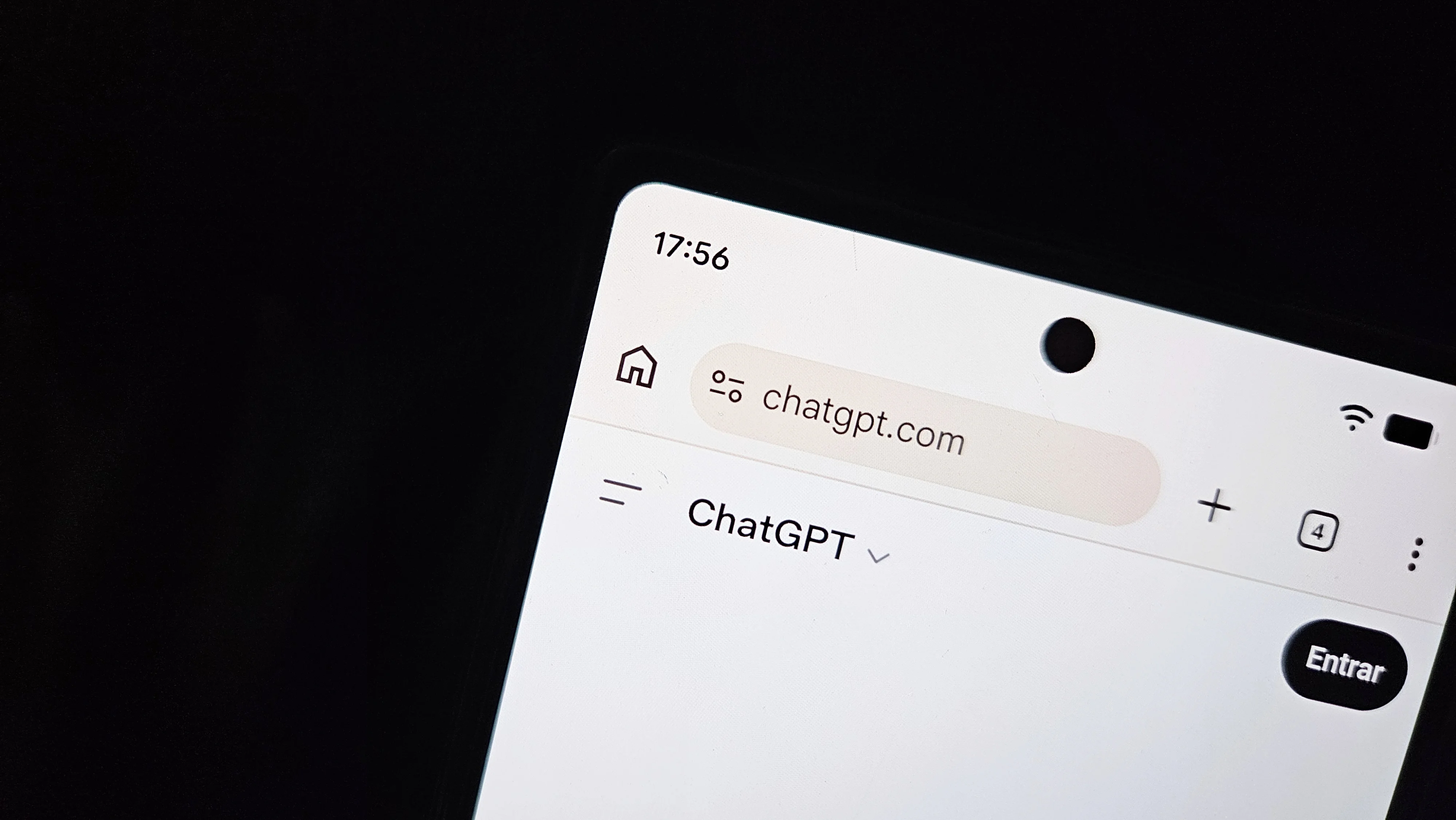
A OpenAI atualizou a extensão do ChatGPT para navegadores, que agora consegue analisar as abas abertas no Google Chrome para dar respostas personalizadas e executar tarefas automatizadas. A novidade está disponível para todos os usuários, independentemente do plano contratado.
A OpenAI atualizou a extensão do ChatGPT para navegadores, que agora consegue analisar as abas abertas no Google Chrome para dar respostas personalizadas e executar tarefas automatizadas. A novidade está disponível para todos os usuários, independentemente do plano contratado.
A extensão ganhou integração com duas ferramentas da OpenAI. No ChatGPT Chat, é possível pedir comparações entre diferentes páginas abertas, como preços, dimensões, prazos de entrega e políticas de devolução de sofás anunciados em lojas virtuais.
Já o ChatGPT Work, agente de IA destinado a tarefas com várias etapas, consegue preencher formulários, organizar abas, agendar compromissos em calendários e analisar contratos de diferentes prestadores de serviço para preparar e-mails personalizados.
A extensão também começou a mostrar o histórico completo de conversas do usuário na barra lateral. Com isso, é possível fazer perguntas e delegar tarefas sem sair da página atual. Além disso, a atualização reforça o ChatGPT como alternativa ao Gemini, após a OpenAI descontinuar seu próprio navegador em 9 de agosto.
Como usar o ChatGPT no Chrome? Para usar a ferramenta, é preciso baixar e instalar a extensão oficial do ChatGPT na Chrome Web Store (chromewebstore.google.com). A instalação pode ser feita no Google Chrome ou em qualquer outro navegador compatível com Chromium, como Edge, Brave ou Opera.
Depois de instalada, a extensão aparece na barra lateral do navegador. Por ali, é possível consultar o histórico de conversas, fazer perguntas sobre as páginas abertas e acionar os recursos de Chat e Work para comparar informações ou executar tarefas.
Em contexto
- Tema: Inteligencia Artificial — IA aplicada al negocio: casos, límites, costos y gobierno.
- Fonte: Canaltech
- Publicado: 16/10/2026
Continuar lendo na fonte original →
Trecho publicado automaticamente pelo radar do site. O texto completo pertence ao veículo e está vinculado acima.
Why it matters
Every week there is an announcement that promises to change everything, and every week most organisations are still fighting the same battle: messy data, processes nobody documented, and expectations running faster than capability. This story reads better with that in the background.
The first thing I look at is not model capability but the data feeding it. Almost every project I have seen fail did not fail on the algorithm. It failed because the data lived in three systems with three different definitions and nobody wanted to be the one to fix that.
What usually goes wrong
What I see fail most is the expectation. Somebody saw a flawless demo and asked for the same thing in their area within a month, without considering the demo ran on clean data prepared for the occasion. When the real pilot shows uneven results, the unfair conclusion is that the technology does not work.
What to watch
- Whether the organisation can change provider without rebuilding everything, which is the proof it did not get locked in.
- Which concrete process is touched and how it is measured before and after; with no baseline there is no result, only opinion.
- Who reviews the model outputs and how often — the point at which AI becomes auditable.
How I read this entry
I would use it for a talent conversation rather than a purchasing one. The capability that needs installing is not operating a tool, which changes every six months, but framing the problem well and judging the answer. That one stays in the house.
The original story is published in another language; the excerpt is quoted as the publisher delivers it and the commentary is written in English.
Comments
No comments yet. Yours can be the first.
Living through this in your own team?
Open the chat and tell me how you're handling it. I'm interested in comparing notes.