BS2 traz novos executivos para Finanças, Jurídico e Cibersegurança
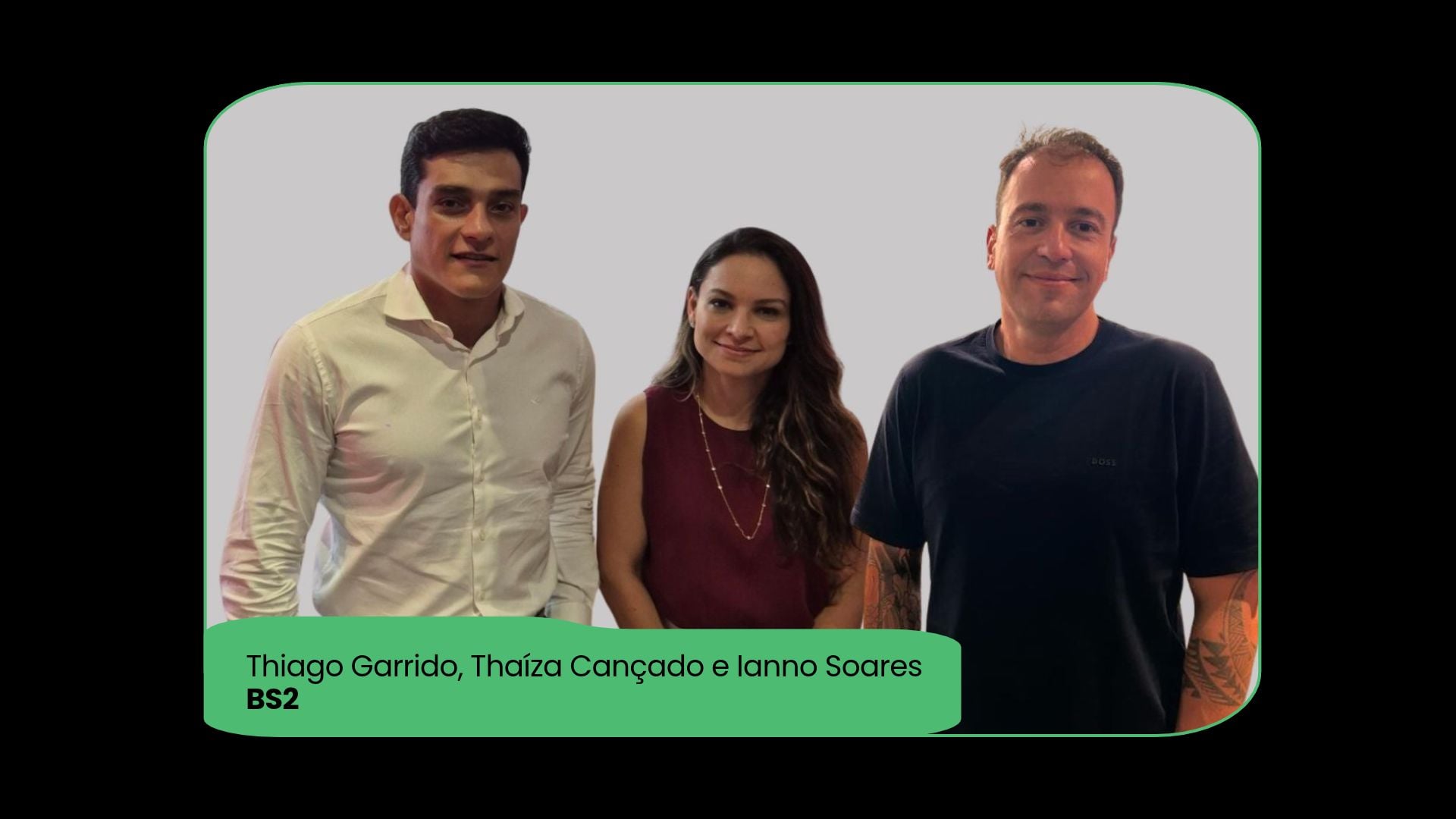
Thiago Garrido, Thaíza Cançado e Ianno Soares/BS2 | Imagem: divulgaçãoThiago Garrides assume Finanças e Riscos, Ianno Soares comanda Cibersegurança e Prevenção a Fraudes, e Thaíza Cançado volta ao banco para liderar o Jurídico
Thiago Garrido, Thaíza Cançado e Ianno Soares/BS2 | Imagem: divulgaçãoThiago Garrides assume Finanças e Riscos, Ianno Soares comanda Cibersegurança e Prevenção a Fraudes, e Thaíza Cançado volta ao banco para liderar o Jurídico
Em contexto
- Tema: Banca y Fintech — Banca digital, pagos, open banking y regulación financiera.
- Fonte: Finsiders Brasil
- Publicado: 16/10/2026
Continuar lendo na fonte original →
Trecho publicado automaticamente pelo radar do site. O texto completo pertence ao veículo e está vinculado acima.
Why it matters
What I see behind almost every digital banking story is the same tension: the front end is modern and the core is still a system that has been running for twenty years and nobody dares touch. The distance between those two layers explains most of the projects that slip.
I separate what improves the customer's life from what improves the bank's margin. Sometimes they coincide, and those are the good projects. When they do not, it is worth saying so out loud in committee, because a project that only improves margin shows up in customer satisfaction sooner than people expect.
What usually goes wrong
The mistake that repeats is testing only the happy path. It gets validated that the transaction works, not that the reversal works, that duplicates are caught, that a power cut mid-operation leaves everything consistent. Those cases are ninety per cent of the real work and ten per cent of the testing.
What to watch
- Which part of the customer relationship ends up with a third party and whether that is reversible.
- What happens to cost per transaction at real volume, which is where the business is decided.
- How daily reconciliation is left, which is where the cases nobody modelled show up.
How I read this entry
If this came into an institution, I would look at reconciliation first. Everything new in payments looks fine until the day has to balance, and that is when the cases nobody modelled appear: reversals, duplicates, half-completed transactions. That boring work decides whether the product is sustainable.
The original story is published in another language; the excerpt is quoted as the publisher delivers it and the commentary is written in English.
Comments
No comments yet. Yours can be the first.
Living through this in your own team?
Open the chat and tell me how you're handling it. I'm interested in comparing notes.