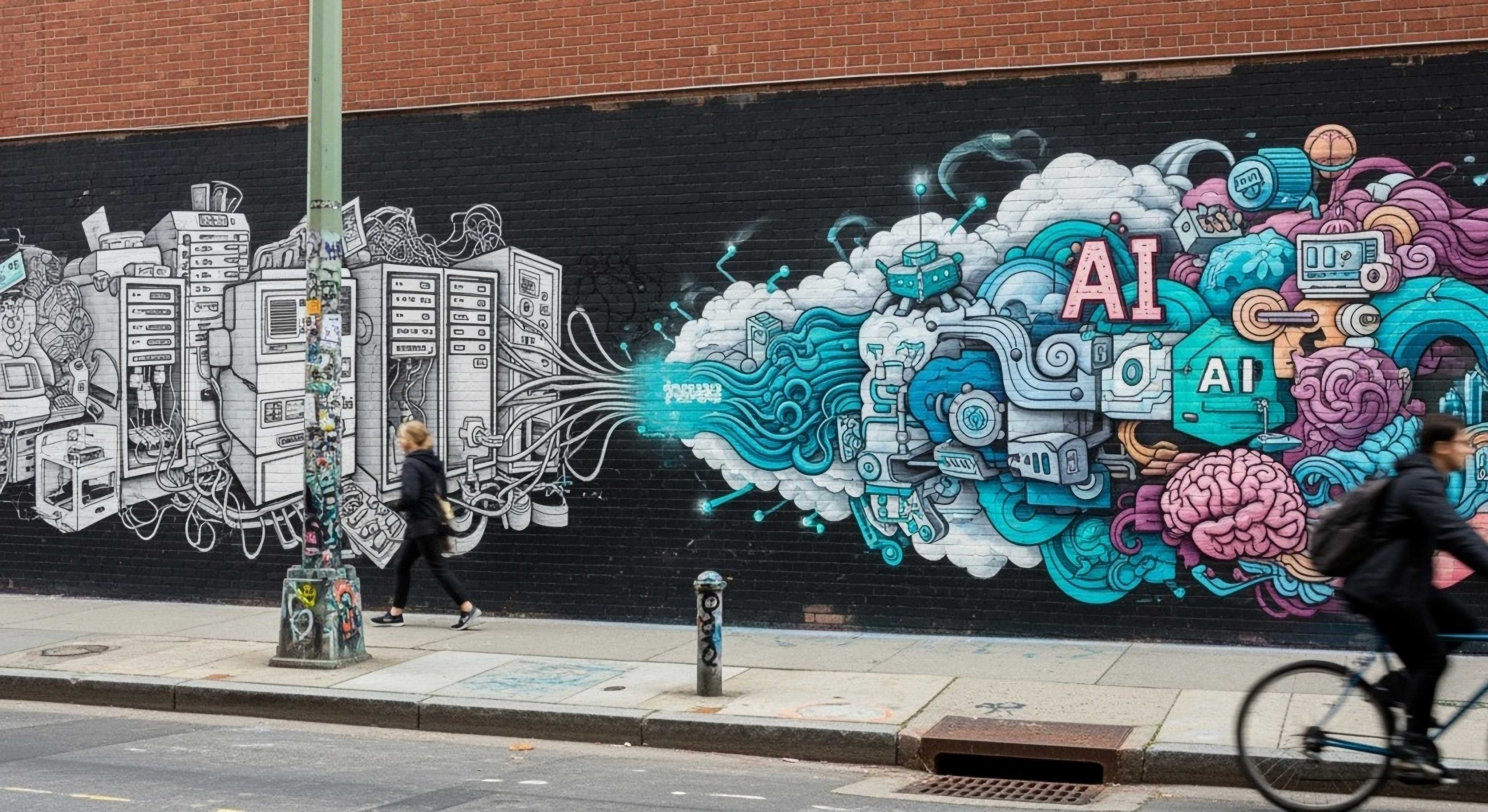

For years, cybersecurity teams have worked from a relatively straightforward model: identify the critical vulnerability, patch it and reduce the risk. That model still matters, but it is no longer enough.
For years, cybersecurity teams have worked from a relatively straightforward model: identify the critical vulnerability, patch it and reduce the risk. That model still matters, but it is no longer enough.
The growing concern is not simply that attackers can use AI to write better phishing emails or generate malicious code faster. The bigger issue is that AI can help adversaries connect seemingly benign vulnerabilities into an attack path that security teams may never have considered.
A low-severity application flaw, exposed API, over-permissioned service account, cloud misconfiguration and AI agent with excessive access may not be alarming individually. But when they can be identified, sequenced and exploited together, they can create a serious breach.
This is the new cybersecurity challenge: AI-enabled vulnerability service chaining.
Attackers have always chained vulnerabilities. The difference now is speed, scale and agility. AI can analyze large volumes of technical information, identify relationships, generate attack hypotheses and rapidly test likely pathways.
Think of it as an attack graph. An attacker might begin with a minor weakness in a public-facing application that reveals information about an internal system. That system could connect to a cloud workload with excessive permissions, which has access to a data repository or AI-enabled workflow. The AI workflow might then have access to customer records, knowledge bases, ticketing systems or network-management tools.
In context
- Topic: Ciberseguridad — Riesgo, identidad, respuesta a incidentes y cumplimiento.
- Source: CIO
- Published: 14/10/2026
Continue reading at the original source →
Excerpt published automatically by the site radar. The full text belongs to its publisher and is linked above.
Why it matters
Most incidents that end up being expensive did not start with a sophisticated technique. They started with an account that should have been closed when somebody resigned, a server nobody knew was still on, or a broad permission granted to unblock someone that then stayed forever.
I read it with the same short list as always: second factor on anything that grants access, tested backups kept off the network, and a real inventory of what is exposed to the internet. It is not glamorous, and it still prevents most disasters.
What usually goes wrong
Where it usually breaks is response, not prevention. There are tools, there are alerts, and when something real happens nobody knows who decides to disconnect, who gets called first, or what the customer is told. Valuable hours get lost arguing about that while the problem grows.
What to watch
- What could be restored and how fast — a backup that was never tested does not count.
- How it was communicated to customers and regulators, which is where reputational cost is decided.
- Whether third parties or suppliers were in the chain, because the perimeter now includes partners.
How I read this entry
I would use it for a conversation with the board, not with the technical team. The question you must be able to answer there is how long the business can operate without its systems and what each day of that outage costs. With that number, the security budget gets discussed differently.
This entry is an excerpt from the original source, selected by the site radar. The commentary above is the site's own and does not belong to the cited publisher.
Comments
No comments yet. Yours can be the first.
Living through this in your own team?
Open the chat and tell me how you're handling it. I'm interested in comparing notes.